

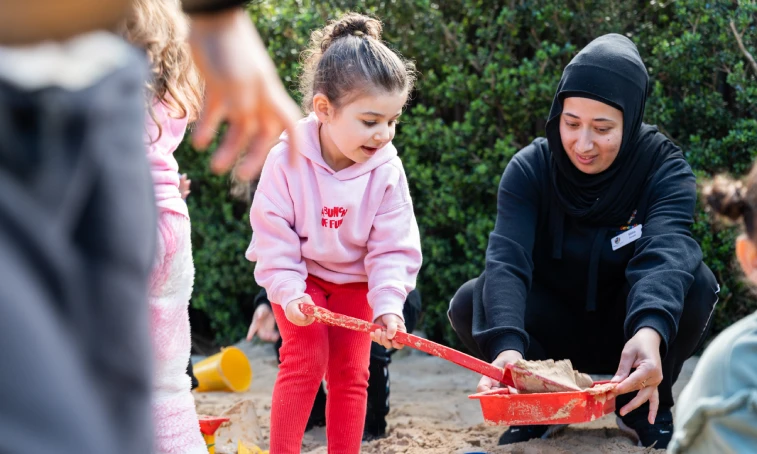
There’s nothing like watching your child stumble mid-run while chasing a ball or racing their friends at the park. It tugs at your heart, especially when progress feels slow and confidence begins to fade – both yours and your child’s.
Learning to run well isn’t just about speed – it’s about balance, coordination, and joyful movement that grows from play. Many parents worry if their child is developing “on time,” especially with milestones scattered unevenly among friends and family.
At Next Generation Kindergarten, helping children move with confidence is part of our everyday rhythm of play and care. We support working families like yours by weaving physical development into playful moments children love and remember.
Building a Foundation for Better Running
- Establishing a Running Habit
Watching children burst into little sprints during play is like seeing delight bottled into tiny moving feet. To build that into a habit, begin with short, casual runs – ten minutes where joy, not pace, matters most. Add in games like “tag” or goal-post races to keep it playful and spontaneous.
By turning running into a game, children feel excited to repeat it. Creating a simple routine helps them expect movement daily – even better, they start looking forward to it.
- Basic Running Form and Movement
Good form doesn’t mean rigid posture – it’s about moving freely without strain.
Help children stay upright with their head aligned and arms swinging gently by their side. Teach light foot placement under the body and remind them to relax their shoulders and faces.
Tiny reminders – like “run tall” or “quiet feet” – make it easier to guide without breaking their rhythm. Every encouraging cue builds a smoother stride.
Designing an Effective Training Plan
Age-Appropriate Training Sessions
Children grow confidence when exercise fits their pace and strength – not rushed, just supported. Use dynamic warm-ups like skipping or animal walks to gently stretch muscles. Keep drills short – 20 to 40 metres at most – and mix in jumping, weaving, and balance tasks.
These sessions spark laughter while building skills. With each run, their body learns new things, and suddenly movement becomes second nature.
Building Speed and Endurance
Speed and stamina aren’t built by running hard; they’re built by running smart. Mix easy jogs with short bursts, like 15-second sprints followed by walking. Run up gentle hills or use small hurdles to boost strength.
Children get stronger without realising it. Spacing these out with breaks makes it fun, breathable, and durable for growing bodies.
Supporting Physical Development
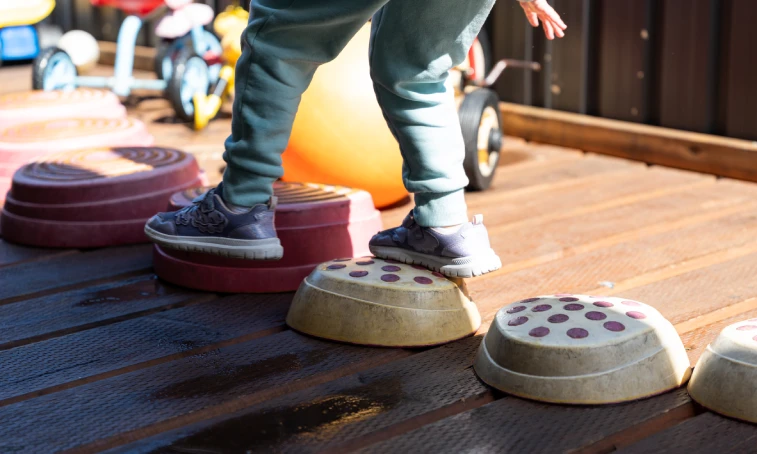
Strength and Conditioning for Kids
Strength grows through play, not pressure. Try activities like animal crawling or frog jumps to build core and leg muscles. Games like “Simon Says” with squats or balancing moves are great too.
Bodyweight exercises help improve posture and running control. With rhythm and repetition, they start standing taller and moving smoother.
Nutrition and Hydration Essentials
Active children need fuel, not frills. Think whole grains for breakfast, colourful fruits, and proteins like cheese or eggs. Snacks post-run could include a banana with peanut butter or yoghurt with berries.
Water remains the best source of hydration. Teaching children to sip throughout the day prepares them to listen to their body cues early.
Gear, Environment, and Safety
Choosing the Right Equipment
Comfort begins at the feet. Choose shoes that fit snug around the heel, with room at the toes. A proper sole supports each step, especially during frequent sprints.
Breathable, flexible clothing allows full movement without distractions. For cold days, layering helps keep the body warm without overheating.
Promoting Safe Running Practices
Safety isn’t about fear; it’s about awareness. Encourage running on grassy fields or tracks away from traffic. Adults nearby help guide them through tricky surfaces like dirt paths or hard pavement.
Look out for changes in mood or form – even dragging feet can signal exhaustion. Rest shouldn’t be earned – it’s deserved.
Motivation, Progress and Recovery
Tracking Improvement Over Time
Growth isn’t always measured in seconds. Use fun ways to track distance, like counting laps with beads or drawing progress stars. Set personal goals like “run for five minutes without stopping.”
Celebrate these moments with high-fives or silly dances. Those tiny wins build lasting pride in their own efforts.
Mental and Emotional Support
Running teaches more than movement – it builds courage. Use kind words during hard runs and remind them setbacks are part of learning. Whether they trip or cry, it’s how we guide them back that matters.
Challenges become stepping stones for resilience. That lesson sticks even beyond the playground.
Recovery and Rest Cycles
Rest days aren’t lazy – they’re launchpads. Encourage quiet play like puzzles or nature walks after active days. Muscles and minds recharge through downtime.
Without enough rest, children lose focus and energy. Scheduled breaks boost appetite for movement again.
Expanding Opportunities and Community Involvement
Joining Clubs and Events
Running becomes so much more exciting with others cheering you on. Local events like kids’ fun runs or school jog-a-thons offer safe spaces to test new skills. Find beginner races where speed isn’t the focus, just trying is the goal.
Community events offer happy memories and a sense of belonging, especially when families cheer together from the sidelines.
Encouragement Through School and Community
School programs connect fitness with friends. Look for morning run clubs or after-school athletics that focus on skill-building with respect.
We offer free playgroups and community gardening at Next Generation Kindergarten as part of our School Readiness approach, blending learning with action.
Inclusive spaces mean everyone feels welcome to try, share, and grow – no matter their speed.
Feet on the Ground, Heart Joyful
That spark in their eyes when they run freely – it’s more than movement, it’s confidence growing with every step. Some kids just need a little push, others need gentle guidance. But all bloom when joy meets purpose in motion.
Improving running in young children isn’t about speed or drills. It’s about finding rhythm and balance, and letting their bodies learn to trust themselves in their own time. Letting their feet carry them with curiosity, play, and body awareness is how nature intended them to learn.
At Next Generation Kindergarten, we nurture physical confidence through safe spaces, movement-rich play, and guidance from caring, experienced educators.
Come visit and let us support your child’s every leap, skip, and sprint – book a tour today.