

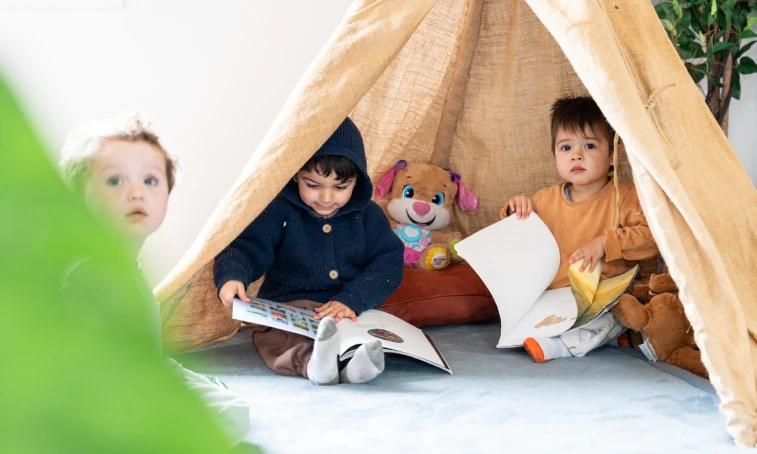
Some nights feel never-ending, tiny feet still padding around at 9 p.m., exhaustion written all over your face. You’ve tried lullabies, stories, even dim lights, yet the struggle continues. It’s the classic parenting problem (PAS): Painful routine battles, Anxiety over enough rest, and the Search for calm solutions.
We understand how bedtime can quickly flip from cuddly to chaotic, their boundless energy clashing with your fading patience. Even when routines seem solid, overstimulation, change, or worry can sneak in, leaving sleep far behind. If you’ve ever wondered how to make a kid sleep instantly, you’re not alone. It’s every tired parent’s late-night question as they search for gentler, quicker ways to bring back peace at bedtime.
At Next Generation Kindergarten, we support working families who crave calm, reliable bedtime habits for their little ones.
Our everyday experience with children aged 0–6 means we know what works beyond the theory – and we’re here to help.
Understand Your Child’s Sleep Pattern
Some kids seem to resist sleep as if it were their full-time job, and understanding why can make all the difference.
Understanding your child’s sleep cycle helps unravel the reasons behind restlessness and delays. Our team at Next Generation Kindergarten watches tiny cues daily – from fluttering eyelids to sudden stillness – that show children crave rest before they even realise it themselves.
Recognising natural sleep cues
Yawns, rubbing eyes, or sudden quiet play are signs your child is ready to wind down.
We suggest keeping a simple sleep log, noting when your child gets drowsy for a few days. Patterns will pop up easily and help you predict and prepare better.
The influence of age on sleep needs
A toddler’s needs differ from a kindergartener’s. Toddlers may nap more and wake early, while pre-teens might sleep in longer.
Unlike adults, children spend more time in deep sleep – this is when growing bodies build and recharge. Knowing this can guide your bedtime better.
Factors affecting sleep readiness
Sometimes meltdowns come not from misbehaviour, but from overstimulation – especially after busy afternoons or screen time.
We find at our Chester Hill centres that a consistent wind-down period reduces tantrums before sleep, creating smoother transitions for children and caregivers alike.
Establish a Sleep-Inducing Environment
A calming space turns bedtime battles into moments of comfort. Our rooms at Next Generation Kindergarten are designed with this in mind, echoing best practices for relaxed rest settings.
Preparing the bedroom for sleep
Choose dim lighting or low night lights and avoid noisy gadgets.
Try blackout curtains to remove streetlight glare or daylight. A soft, quiet space offers security and settles little minds faster.
Ensuring physical comfort
The softness of bedding matters more than you’d think.
Supportive mattresses, breathable cotton sheets, and comfort items like favourite blankets or even toddler-sized sleep sacks can help them settle in without fuss.
Regulating temperature and air quality
A room that’s too warm or stuffy can keep a child alert far past bedtime.
Keep their space cool (around 18–20°C) with steady airflow. A small fan or cracked window can keep fresh air moving gently through the room.
Build a Predictable Bedtime Routine
At our centres, predictable steps create familiarity. Predictability makes kids feel secure, and that often leads to easier and faster sleep.
Consistency and timing
A regular bedtime – same time every night – even on weekends, syncs the body clock.
We help children transition to sleep by slowly dimming lights, turning down sounds, and guiding them from play to peace.
Pre-bed calming rituals
Nothing signals comfort like a warm bath followed by a quiet story.
Storytelling or reading helps children drift off, giving their thoughts a gentle road toward dreams instead of overactivity.
Encouraging self-soothing
Bringing bedtime buddies like stuffed toys helps many children settle down.
We’ve seen older toddlers rub the soft ears of a plush rabbit or hold tight to a muslin cloth as steady comfort right before sleep.
Techniques to Help Kids Sleep Instantly
Sometimes the smallest shift can make the longest-lasting impact. We’ve guided countless children through gentle bedtime techniques that work right in your living room.
Relaxation activities
Five minutes of slow breathing or easy stretches can calm racing thoughts.
We often lead mindfulness exercises at our centres – simple belly breaths or slow arm movements that parents love doing together with their children.
Soothing sensory inputs
Soft lullabies or white noise can mask sharp sounds like traffic or barking dogs.
A few lavender drops in a diffuser (used with care) can also bring a sense of calm. Keep scents light and always out of reach.
Gentle physical comfort
A short foot rub releases body tension. Massaging little hands or stroking hair sends strong signals of safety.
This can ease a child toward sleep naturally – especially those who’ve had a big day.
Nutrition and Behavioural Influences
What and when your child eats plays a powerful role in bedtime success. Even our kindergarten mealtimes are planned with rest and focus in mind.
Sleep-friendly dietary habits
Offer dinner at least two hours before bed. Include foods with natural sugars and mild protein combos.
Bananas, oats or warm milk contain sleep-friendly nutrients like magnesium or tryptophan – both help bodies let go of the day more easily.
What to avoid
Skip sugary snacks after dinner. That includes chocolate and fruit juices.
Late dinners or caffeinated drinks like cola can keep growing bodies alert long after lights-out.
Managing Sleep Challenges
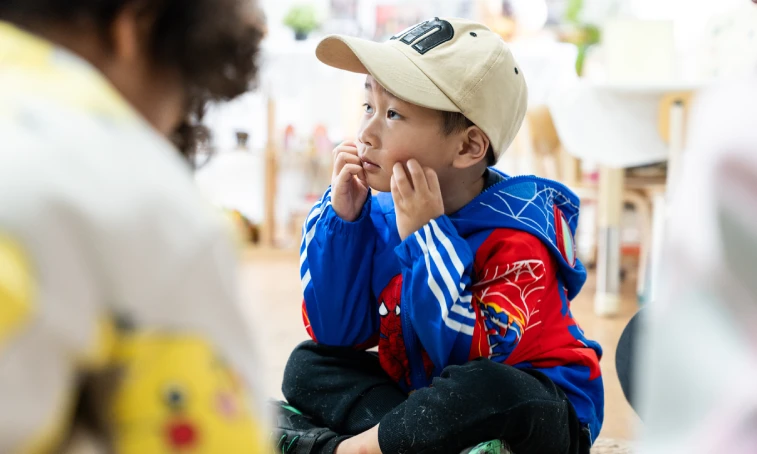
We’ve seen it all – tears for no reason, sudden waking, or fear of shadows. Troubles can pass, but supportive handling makes all the difference.
Addressing common disruptions
Bedwetting and night waking can happen, especially during phases of development.
Small waterproof sheets, less nighttime fluid intake, and gentle reassurance help ease them through safely.
Seeking professional help
If your child regularly snores, gasps, or wakes unusually exhausted, it might signal deeper concerns.
Paediatricians or trusted sleep consultants can guide whether studies or sleep training options, such as those for twins, are the next step.
Tackling night fears and anxiety
Kids often imagine eyes in the dark when tired or unwell, especially after watching shows with tension.
Keep comfort items nearby, and consider a soft-led night light for safety. A predictable evening removes much of that hidden worry.
Tools and Aids That May Help
Sleep isn’t a one-size-fits-all puzzle. At Next Generation Kindergarten, we honour every child’s differences and support parents to try what suits their little ones best.
Safe sleep aids for kids
Some families use gentle herbal teas like chamomile. For stubborn sleep patterns, limited melatonin may be discussed with your doctor.
Only use supplements after guidance – natural doesn’t mean always safe for children.
Tools that support healthy sleep
Some find success with pacifiers or a noise machine. Others soothe better with eye masks or teddy bears.
For snoring kids, child-safe nose strips may help, but always check with your GP first.
Cultural and holistic options
Dream catchers, calming routines through prayer or song, and shared sleep customs vary across cultures.
We welcome all sleep traditions in our centres and love learning from families about what brings calm in their homes, too.
When the House Finally Goes Quiet
The hardest part isn’t putting them to bed, it’s hoping they actually stay there. After one more story, one last drink of water, and the ever-repeating, “Just one more hug,” it can feel like true calm is a distant dream.
But it doesn’t have to be that way every night. Once you understand how to make a kid sleep instantly, not through tricks, but through gentle routines and signals that tell their body it’s time to rest, bedtime can shift from chaos to calm. With a few soothing habits, a predictable rhythm, and a safe, comforting space, sleep can become a peaceful end to their busy day instead of a nightly battle.
At Next Generation Kindergarten, we know how crucial restful routines are for young minds. Let us guide your child’s days so their nights can be peaceful. Chat with us today and find care you can truly count on.